Unlocking Spiritual Design: The Ultimate Guide to 70 Chakra Symbols and Glyphs
In the intersection of ancient wisdom and modern digital creativity, few subjects hold as much fascination as the chakra system. For centuries, these energy centers have been the cornerstone of yoga, meditation, and holistic healing practices. Today, however, their influence has expanded far beyond the mat. Designers, content creators, and spiritual enthusiasts are increasingly turning to chakra symbols to convey balance, growth, and mindfulness in visual media. Whether you are crafting an Instagram story, designing a digital scrapbook page, or building a comprehensive infographic for a wellness blog, having access to high-quality, versatile iconography is essential.
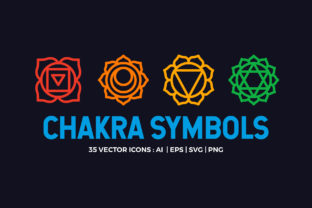
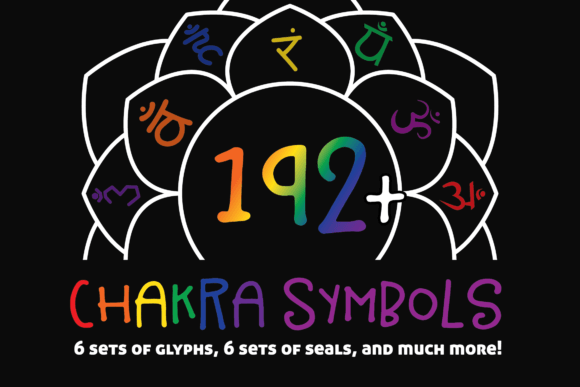
This guide explores the significance of a curated collection featuring 70 unique chakra symbols, including five distinct sets of seven Sanskrit glyphs and five corresponding sets of seven chakra icons. We will delve into how these assets function across various platforms, why file versatility matters, and how they can transform your creative projects from simple visuals into meaningful experiences.
The Foundation: Understanding the Seven Energy Centers
Before diving into the specifics of design files, it is crucial to understand what these symbols represent. The word "chakra" comes from the Sanskrit term meaning "wheel" or "disk." In traditional Indian philosophy, there are seven primary chakras aligned along the spine, each governing different aspects of physical, emotional, and spiritual well-being.
- Root Chakra (Muladhara): Grounding, stability, and survival.
- Sacral Chakra (Svadhishthana): Creativity, emotion, and pleasure.
- Solar Plexus Chakra (Manipura): Personal power, confidence, and will.
- Heart Chakra (Anahata): Love, compassion, and connection.
- Throat Chakra (Vishuddha): Communication, truth, and expression.
- Third Eye Chakra (Ajna): Intuition, insight, and imagination.
- Crown Chakra (Sahasrara): Spirituality, enlightenment, and consciousness.
Each of these centers is traditionally associated with specific colors, elements, and mantras. When represented visually, they often take the form of geometric patterns or intricate Sanskrit characters. This is where the distinction between Sanskrit glyphs and modern icons becomes relevant for designers. While the glyphs offer an authentic, historical connection to the roots of the practice, the icons provide a stylized, accessible interpretation that fits seamlessly into contemporary graphic design.
Why 70 Symbols? The Power of Variety
You might wonder why a collection would include 70 different variations rather than just one set of seven. The answer lies in the diversity of application. A symbol that works perfectly on a dark background for a moody meditation app might look washed out on a bright, pastel wedding invitation. Similarly, a minimalist icon suitable for a corporate wellness presentation may lack the depth required for a detailed spiritual journal.
This extensive library offers five sets of seven Sanskrit glyphs and five sets of seven chakra icons, totaling 70 distinct designs. This variety ensures that no matter the aesthetic requirement—be it bohemian, corporate, mystical, or modern—you have the perfect asset at your disposal. It allows for consistency within a brand while offering enough variation to keep content fresh and engaging.
Technical Versatility: Formats That Work Everywhere
In the world of digital design, flexibility is king. A common frustration for creatives is finding beautiful images that degrade in quality when resized or fail to integrate smoothly into their workflow. The true value of this 70-symbol collection lies in its comprehensive file format support: AI, EPS, SVG, and PNG.
Vector Mastery with AI and EPS
For professional designers using Adobe Illustrator or other vector software, the inclusion of AI (Adobe Illustrator) and EPS (Encapsulated PostScript) files is a game-changer. These vector formats are resolution-independent, meaning you can scale the symbols from a tiny favicon to a massive billboard without losing a single pixel of clarity. This is vital for print projects like business cards, brochures, or large-format posters where crisp lines are non-negotiable.
With vector files, you also gain the ability to edit the symbols. You can change the stroke weight, adjust the color palette to match your brand guidelines, or even combine elements to create entirely new compositions. This level of control transforms static images into dynamic tools for your creative process.
Web and Social Ready with SVG and PNG
While vectors are great for print, the digital realm demands speed and compatibility. The SVG (Scalable Vector Graphics) format is the gold standard for web design. Unlike raster images, SVGs load quickly, remain sharp on any screen size (from mobile phones to 4K monitors), and can be manipulated with CSS. This makes them ideal for responsive websites and interactive infographics.
Additionally, the inclusion of PNG (Portable Network Graphics) files provides immediate usability for social media managers and casual users. PNGs support transparency, allowing you to place these chakra symbols over photos, videos, or complex backgrounds without an unsightly white box. They are ready to drop directly into Canva, Photoshop, or mobile editing apps for quick turnarounds.
Designing for Light and Dark Modes
A significant challenge in modern UI/UX design and social media graphics is ensuring visibility across different themes. Many users prefer dark mode on their devices, yet many design assets are created exclusively for light backgrounds. This collection addresses that gap by being optimized for both environments.
The contrast ratios and line weights in these 70 symbols have been carefully considered to ensure legibility whether placed on a stark white canvas or a deep charcoal interface. This dual-purpose capability saves time during the design process, as you do not need to create separate versions of your graphics for day and night modes. Whether you are designing a sleek, dark-themed app interface or a bright, airy educational worksheet, these symbols adapt effortlessly.
Bonus Value: The Linear Arrangements
Beyond the individual symbols, the collection includes nine bonus images featuring all the symbols of each set arranged in a line. These linear arrangements are incredibly useful for creating headers, footers, dividers, or decorative borders. Instead of manually aligning seven separate icons, you can simply import the pre-aligned strip to instantly add a cohesive spiritual element to your layout. This feature is particularly beneficial for creating timelines in infographics or progress bars in wellness trackers.
Practical Applications in Modern Life
How does this translate to real-world usage? The applications for these chakra symbols are vast and span multiple industries.
Social Media and Content Creation
For influencers and wellness coaches, Instagram stories are a primary channel for engagement. Using high-quality chakra icons allows you to visually reinforce your message about mental health, yoga classes, or daily affirmations. A simple image of the Heart Chakra icon overlaid on a photo of a sunrise can communicate themes of love and renewal instantly, capturing the viewer's attention before they even read the caption.
Digital Scrapbooking and Journaling
The rise of digital journaling apps has created a demand for thematic stickers and embellishments. These symbols serve as perfect markers for tracking moods, intentions, or achievements. A user might place a Solar Plexus icon next to a goal related to career advancement, or a Third Eye glyph beside a note about a dream. The tactile feel of the Sanskrit glyphs adds a layer of authenticity that resonates with those deeply invested in their spiritual journey.
Education and Infographics
Teachers and health professionals often struggle to explain abstract concepts like energy flow. Visual aids are essential here. An infographic explaining the benefits of meditation can use the five sets of icons to differentiate between various techniques or stages of practice. The clarity of the SVG files ensures that these diagrams look professional when projected in a classroom or printed for handouts.
Business and Branding
Even in the corporate sector, the principles of balance and alignment are valued. Wellness companies, yoga studios, and even tech startups focusing on employee burnout prevention can incorporate these symbols into their branding. A logo featuring a stylized Crown Chakra can subtly signal a company's commitment to higher thinking and innovation, while a website footer using the linear arrangement can tie the brand identity together with a sense of harmony.
Common Misunderstandings About Chakra Imagery
As we embrace these symbols in modern contexts, it is important to address a few misconceptions. One common assumption is that chakra symbols are merely decorative. While they certainly enhance aesthetics, their purpose is deeper; they act as anchors for intention. When used respectfully in design, they remind the viewer of the underlying philosophy of balance.
Another misunderstanding is that Sanskrit glyphs are too complex for general audiences. While they require knowledge to pronounce correctly, visually, they possess a universal beauty. By pairing them with simpler icon sets, designers can bridge the gap between esoteric tradition and modern accessibility, making the wisdom of the chakras available to everyone.
Conclusion: Empowering Your Creative Journey
The integration of 70 chakra symbols into your toolkit represents more than just acquiring a pack of images; it is about embracing a resource that bridges the ancient and the modern. With five sets of authentic Sanskrit glyphs and five sets of contemporary icons, available in every major format from AI to PNG, you are equipped to tackle any design challenge. Whether you are optimizing for light or dark backgrounds, creating engaging social media content, or producing professional infographics, these symbols provide the visual language needed to communicate balance and wellness effectively.
By understanding the context, technical capabilities, and diverse applications of these assets, you can elevate your work from the ordinary to the extraordinary. Let these symbols serve as a reminder that in every pixel and every line, there is an opportunity to inspire, educate, and connect with your audience on a deeper level.