The Strategic Power of the Male Head Illustration in Modern Visual Communication
In the rapidly evolving landscape of digital content, where attention spans are shrinking and visual literacy is paramount, the choice of imagery can define the success of a campaign. Among the myriad of graphic elements available to designers and strategists, the Male Head Illustration has emerged as a versatile and potent tool. Far from being a mere decorative element, this specific visual asset serves as a critical anchor for humanizing data, establishing brand identity, and guiding user engagement. For professionals ranging from corporate marketers to independent freelancers, understanding the nuance and application of the male head illustration is no longer optional; it is a fundamental component of effective visual storytelling.
Defining the Male Head Illustration: Beyond Simple Portraiture
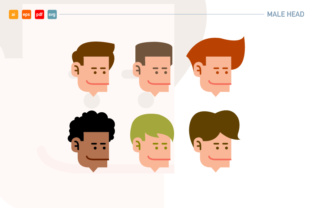
At its core, a Male Head Illustration is a stylized graphical representation of a male figure's head and face. However, to categorize it simply as a portrait would be to overlook its functional depth. Unlike photography, which captures a specific moment in time with literal accuracy, an illustration offers abstraction, allowing creators to distill complex emotions, demographics, or concepts into a singular, cohesive image. These illustrations vary widely in style, ranging from minimalist line art and flat vector designs to intricate, textured hand-drawn styles and 3D-rendered avatars.
The distinction lies in the intent. When utilized effectively, the male head illustration transcends the physical features of the subject to represent an archetype. It can symbolize the "everyman" consumer, a tech-savvy innovator, a seasoned executive, or a creative thinker. This flexibility allows brands to communicate specific narratives without the constraints of casting models, managing licensing rights, or dealing with the logistical challenges of photo shoots. In an era where authenticity is valued, the ability to craft a custom illustration that perfectly aligns with a brand's voice provides a level of control that traditional media cannot match.
The Infographic Revolution: Why Male Head Illustrations Are Essential
One of the most significant applications of this visual style is found in the realm of data visualization. As businesses generate more data than ever before, the need to present this information in an accessible, digestible format has become critical. This is where the concept of using a male head illustration use for infographic presentation becomes particularly relevant. Infographics are designed to simplify complexity, and incorporating human elements into data-heavy layouts bridges the gap between abstract statistics and real-world impact.
When a designer integrates a male head illustration into an infographic, they are not just adding a face; they are creating a focal point that guides the viewer's eye. Human faces naturally attract attention due to our biological predisposition to recognize facial features. By placing a stylized male head next to a statistic about workforce productivity, leadership trends, or consumer behavior, the data instantly gains a human context. It transforms a cold number into a story about a person.
- Anchoring Data Points: A male head illustration can serve as an avatar for a specific demographic segment within a chart, making the data relatable.
- Narrative Flow: In step-by-step infographics, sequential illustrations of a male head can depict a journey, such as a customer's path from awareness to purchase.
- Emotional Resonance: Expressions on the illustrated face can convey the sentiment behind the data, whether it is satisfaction, confusion, or excitement.
This approach addresses a common pain point in business communication: the disconnect between high-level strategy and individual experience. By leveraging the male head illustration use for infographic presentation, organizations can ensure their stakeholders understand not just the "what" of the data, but the "who" and "why."
Shifting Trends in Consumer Expectations and Brand Identity
The rising prominence of the male head illustration is not happening in a vacuum. It reflects broader shifts in how consumers interact with digital content and what they expect from brands. Today's audience is increasingly skeptical of stock photography, which often feels generic, staged, or disconnected from reality. There is a growing preference for unique, bespoke visuals that signal a brand's distinct personality and values.
Furthermore, there is a marked shift toward inclusivity and representation. While the term "male head illustration" specifies gender, the versatility of the medium allows for diverse representations of masculinity. Creators can adjust skin tones, hairstyles, facial hair, and accessories to reflect a wide spectrum of identities. This customization capability allows brands to align their visual assets with their commitment to diversity and inclusion, ensuring that their messaging resonates with a global and multifaceted audience.
From a technological standpoint, the rise of scalable vector graphics (SVG) and advanced design software has made it easier than ever to produce high-quality illustrations that perform well across all devices. Whether viewed on a massive billboard, a desktop monitor, or a mobile phone screen, a well-crafted male head illustration retains its clarity and impact. This responsiveness is crucial for modern marketing strategies that rely heavily on mobile-first consumption patterns.
Practical Applications Across Industries
The utility of the male head illustration extends far beyond general marketing. Specific industries have adopted these visuals to solve unique communication challenges.
In the corporate sector, these illustrations are frequently used in annual reports and internal communications. They provide a consistent visual language that reinforces company culture. For example, a series of illustrations depicting different roles within an organization can help new employees understand the company structure without relying on dry organizational charts.
Entrepreneurs and startups often utilize male head illustrations to personify their founders or their ideal customers. In pitch decks, a stylized illustration of the target user can make the market opportunity feel tangible to investors. It helps visualize the problem-solution fit by showing exactly who benefits from the product or service.
For freelancers and content creators, the male head illustration serves as a powerful branding tool. Instead of using a personal photograph that might age or change over time, a professional illustrator can create a signature avatar. This avatar becomes a recognizable mark of quality and consistency across social media profiles, websites, and client deliverables. It builds a sense of familiarity and trust with the audience, fostering a stronger connection than a standard profile picture might achieve.
Optimizing Workflows and Creative Efficiency
Beyond the aesthetic and strategic benefits, the adoption of male head illustrations offers significant operational advantages. In fast-paced creative environments, speed and adaptability are key. Illustrations are generally faster to modify than photographs. If a brand needs to update the expression of a character to match a new campaign tone, or change the background color to align with seasonal branding, an illustrator can make these adjustments quickly without the need for a reshoot.
This agility supports an iterative design process, allowing teams to test different visual approaches and refine them based on performance metrics. Moreover, illustrations eliminate the legal complexities associated with model releases. Once a custom illustration is created, the brand owns the intellectual property outright, removing the risk of copyright infringement or usage restrictions that often plague stock photography libraries.
The integration of AI-assisted design tools is also beginning to influence this space. While human creativity remains essential, these tools can accelerate the initial sketching phase, allowing designers to explore multiple variations of a male head illustration rapidly. This synergy between human insight and technological efficiency ensures that the final output is both innovative and strategically sound.
Looking Forward: The Future of Stylized Representation
As we look toward the future of visual communication, the role of the male head illustration is poised to expand further. With the increasing prevalence of virtual reality (VR), augmented reality (AR), and the metaverse, the demand for high-quality, stylized avatars will surge. The principles established today in 2D illustration will inform the creation of 3D characters that users interact with in immersive digital environments.
Brands that invest now in developing a robust library of custom illustrations, including various iterations of the male head, will be better positioned to navigate these emerging platforms. The ability to translate a flat, 2D character into a dynamic, interactive 3D asset provides a seamless transition for brand identity across different mediums.
Ultimately, the male head illustration represents more than just a trend; it signifies a maturation in how we value visual storytelling. It acknowledges that people connect with people, even when those people are drawn rather than photographed. By embracing this medium, professionals can create content that is not only visually striking but also deeply resonant, clear, and strategically aligned with their goals.
Whether you are crafting a complex infographic to explain market dynamics or building a personal brand as a thought leader, the thoughtful application of the male head illustration can elevate your message. It turns the abstract into the concrete, the impersonal into the personal, and the confusing into the clear. In a world saturated with noise, a well-designed illustration cuts through the clutter, ensuring your story is seen, understood, and remembered.