Energy Saving Lamp LED: A Brighter, Smaller Step Toward Sustainable Lighting
Understanding the Core of LED Energy Saving Lamps
At the heart of modern lighting innovation lies the energy saving lamp LED. Unlike traditional incandescent or compact fluorescent lamps (CFLs), LED (Light Emitting Diode) technology produces light through a semiconductor process that is both efficient and durable. This method drastically reduces energy consumption while extending the lifespan of the bulb. As a result, energy saving lamp LED products have become a go-to solution for both residential and commercial applications.
The shift to LED lighting isn't just about brightness or color temperature; it's about transforming how we consume energy in everyday environments. Whether it's a small office desk lamp or a large warehouse ceiling fixture, LED-based energy saving lamps offer a scalable, cost-effective alternative to older lighting technologies.
Why Energy Efficiency Matters in Lighting
Lighting accounts for nearly 15% of global electricity consumption. In homes, it can make up about 10% of the total energy bill. By switching to energy saving lamp LED options, users can reduce their lighting-related energy usage by up to 80%. This translates not only into lower utility bills but also a measurable reduction in carbon footprint.
What makes LED lighting particularly effective in this regard is its ability to convert over 90% of energy into light, as opposed to traditional bulbs, which waste a significant portion as heat. This efficiency is not just a technical advantage—it's a practical one that directly benefits users in both the short and long term.
How Energy Saving Lamp LED Technology Works
LEDs are semiconductor devices that emit light when an electric current passes through them. Unlike incandescent bulbs that rely on a heated filament or CFLs that use gas and mercury vapor, LEDs have no fragile components and are solid-state, making them more robust and resistant to shock and vibration.
- Directional Light Output: LEDs emit light in a specific direction, reducing the need for reflectors and diffusers that can trap light.
- Low Heat Emission: LEDs emit very little heat, making them safer and more efficient for enclosed fixtures.
- Instant On: They reach full brightness immediately, with no warm-up time required.
These characteristics contribute to the superior energy efficiency of energy saving lamp LED systems, making them ideal for applications where lighting is used intermittently or in environments where temperature control is essential.
Real-World Applications of Energy Saving Lamp LED
From homes to hospitals, the versatility of energy saving lamp LED technology is evident. Here are some practical examples of how LED lighting is being used across different sectors:
- Residential Lighting: LED bulbs are now standard in most modern homes due to their long life and low energy use. Smart LED systems can also be integrated with home automation for added convenience and control.
- Commercial Spaces: Office buildings, retail stores, and warehouses benefit from LED panel lighting and high-bay fixtures that reduce energy costs and maintenance needs.
- Outdoor Lighting: LED streetlights and floodlights provide brighter, more uniform illumination while reducing light pollution and power consumption.
- Industrial Use: Factories and manufacturing plants use LED high-intensity discharge (HID) replacements for safer, more reliable lighting in harsh environments.
Each of these applications demonstrates how energy saving lamp LED technology adapts to meet diverse lighting demands without compromising on performance or sustainability.
Key Advantages of Energy Saving Lamp LED
Switching to LED-based energy saving lamps comes with a host of benefits beyond energy savings. Let's explore some of the most compelling advantages:
- Longevity: LED bulbs typically last between 25,000 to 50,000 hours—significantly longer than incandescent or CFL bulbs.
- Cost-Effectiveness: Although the initial cost may be higher, the reduced energy usage and infrequent replacements lead to long-term savings.
- Environmental Impact: LEDs contain no toxic materials like mercury and are 100% recyclable, making them a safer choice for the planet.
- Design Flexibility: From smart bulbs to linear strips, LEDs can be tailored to fit a wide variety of lighting needs and aesthetics.
These advantages make energy saving lamp LED a smart investment for anyone looking to future-proof their lighting systems while contributing to a more sustainable world.
Choosing the Right Energy Saving Lamp LED for Your Needs
Selecting the right energy saving lamp LED depends on several factors, including the intended use, desired brightness, color temperature, and compatibility with existing fixtures. Here are a few considerations to keep in mind:
- Lumen Output: Focus on lumens (measure of brightness) rather than watts when comparing bulbs. A 10W LED can provide the same light as a 60W incandescent.
- Color Temperature: Measured in Kelvin (K), choose between warm white (2700K–3000K) for homes and cool white (4000K–5000K) for offices or task lighting.
- Dimming Compatibility: Not all LED bulbs are dimmable, so check packaging and ensure compatibility with existing dimmer switches.
- Smart Features: Look for Wi-Fi or Bluetooth-enabled bulbs if you want to integrate with voice assistants or mobile apps.
By understanding these key specifications, users can make informed decisions that align with both their lighting needs and energy-saving goals.
Energy Saving Lamp LED vs. Traditional Lighting: A Clear Winner?
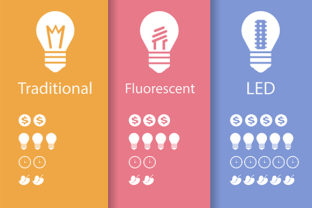
When comparing energy saving lamp LED to traditional lighting options like incandescent and CFL bulbs, the differences are stark:
| Feature | Incandescent | CFL | LED |
|---|---|---|---|
| Energy Use | High | Moderate | Low |
| Lifespan | ~1,000 hrs | ~8,000 hrs | ~25,000–50,000 hrs |
| Heat Emission | High | Moderate | Low |
| Environmental Impact | Negative (waste, energy use) | Moderate (contains mercury) | Positive (recyclable, low emissions) |
This comparison highlights why energy saving lamp LED is not just a better option, but a necessary evolution in lighting technology. The benefits are not only environmental but also economic and ergonomic.
Future Trends in Energy Saving Lamp LED Technology
The evolution of energy saving lamp LED technology shows no signs of slowing down. Innovations such as tunable white lighting, human-centric lighting (HCL), and integration with the Internet of Things (IoT) are pushing the boundaries of what LED lighting can do.
For instance, tunable white LEDs allow users to adjust the color temperature throughout the day to align with natural circadian rhythms, improving well-being and productivity. Similarly, IoT-enabled LED systems can automatically adjust brightness based on occupancy or daylight levels, further optimizing energy use.
As research continues into materials like quantum dots and organic LEDs (OLEDs), we can expect even greater efficiency, flexibility, and customization in energy saving lamp LED solutions in the coming years.
Implementing Energy Saving Lamp LED in Everyday Life
Adopting energy saving lamp LED doesn't require a complete overhaul of your lighting system. Start with the most frequently used areas of your home or office:
- Replace entryway and kitchen ceiling lights first, as these are often left on for extended periods.
- Switch to LED under-cabinet lighting in kitchens for better task visibility.
- Use LED strip lighting in living rooms or bedrooms for ambient effects with minimal energy use.
- Install motion-sensor LED outdoor lights for security and convenience.
Gradually replacing all bulbs with LED equivalents ensures a smooth transition without overwhelming upfront costs. Over time, the savings in energy and replacement costs will more than justify the initial investment.
Conclusion: Lighting the Way Forward
The energy saving lamp LED represents more than just a lighting upgrade—it's a step toward a more sustainable and efficient future. Whether you're a homeowner, business operator, educator, or researcher, the benefits of LED technology are clear and accessible. By making informed choices and embracing this innovative lighting solution, we can collectively reduce energy consumption, lower costs, and create better-lit environments for everyone.